
Understanding the Basics of Permit Parking
Permit parking in the UK is a regulatory system designed to manage the allocation of parking spaces within congested urban areas, often favouring residents and local businesses. This approach helps to ensure that parking options remain available to those who live or operate in areas with limited parking resources. Permits are typically issued by local councils and are required to park legally in designated streets or zones during certain hours.
The primary goal of permit parking is to discourage long-term parking by non-residents, thereby reducing the overflow into residential streets and improving the quality of life for local inhabitants. This system is also crucial in areas where parking demand exceeds supply, particularly in city centres, near large transport hubs like train stations, and around popular amenities.
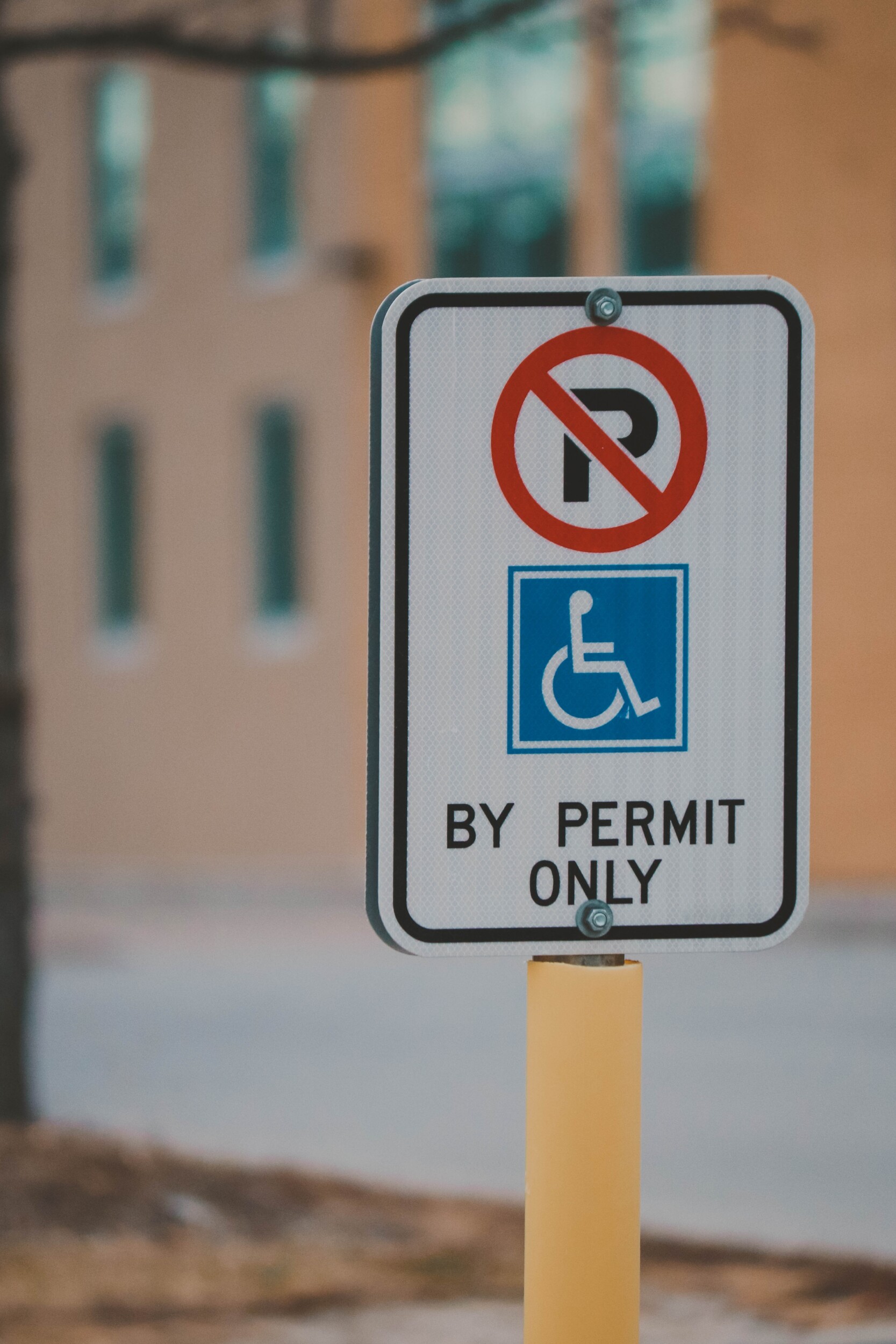
Permit parking areas are clearly marked with signs that display the restrictions and requirements. These signs are vital for both compliance and enforcement purposes. Compliance with these regulations is monitored by local authorities, and failure to adhere to them can result in fines or other penalties. Understanding these basics is crucial for anyone residing in or visiting permit-controlled zones.
Navigating the Application Process for Permits
The application process for a parking permit can vary significantly from one council to another, reflecting local needs and policies. Generally, applicants must provide proof of residence or business location within the permit zone. This could include a council tax bill, utility bill, or lease agreement. Vehicle registration documents must also be submitted to link the vehicle to the applicant’s address.
Applications can typically be completed online, via post, or in person at local council offices. Many councils now prefer online applications, as they are more efficient and environmentally friendly. Once an application is submitted, the review process begins, which may take a few weeks. Applicants are usually notified by email or post once their application is approved or if further information is required.
It’s important for applicants to be aware of the renewal process, as most permits have an expiration date and require periodic renewal. This is often an annual process but can vary depending on the specific council regulations. Keeping track of expiration dates and renewal requirements is essential to avoid lapses in permit validity, which could lead to fines.
Key Variations in Permit Rules Across the UK
Parking permit rules can differ widely across the UK, influenced by local traffic volumes, historical and geographical factors, and the specific needs of the community. For instance, some areas might allow visitors’ permits, which are handy for residents who have guests, while others might be stricter and only provide permits to permanent residents and local businesses.
In tourist-heavy cities like Edinburgh or Bath, permit schemes might be particularly stringent to prevent congestion caused by visitor vehicles. In contrast, suburban areas with lower traffic volumes might offer more lenient permit regulations. Understanding these local nuances is important for residents and visitors alike to ensure compliance with local laws.
Furthermore, some councils offer concessions for eco-friendly vehicles, such as reduced rates or priority permit issuance for electric or hybrid cars. This reflects wider environmental policies aimed at reducing carbon emissions and promoting sustainable urban transport solutions.
The Impact of Permit Parking on Local Traffic
Permit parking schemes have been shown to significantly influence local traffic patterns. By limiting parking to permit holders, these schemes can reduce the number of cars that are parked for long durations, thus decreasing the overall volume of traffic. This can lead to improved traffic flows and reduced congestion, particularly during peak times.
Additionally, by prioritising parking for residents and local stakeholders, permit parking can discourage commuter parking. This is particularly beneficial in areas close to major transport links or commercial hubs where parking space can be at a premium.
However, such schemes may also lead to increased traffic in adjacent areas that do not have permit restrictions, as drivers look for available parking. This spillover effect can create issues in nearby zones, potentially leading councils to consider extending permit areas or adjusting existing regulations.
Exploring the Costs Associated with Parking Permits
The cost of parking permits can vary widely depending on the location, type of permit, and the policies of the issuing council. In general, central areas of larger cities tend to charge more for parking permits due to higher demand and limited space. In contrast, more suburban or rural areas might offer permits at a reduced rate.
Some councils provide tiered pricing structures based on emissions or the size of the vehicle, promoting the use of smaller, less polluting vehicles. Discounted or free permits may be available for disabled residents, providing essential support for mobility-impaired individuals.
Understanding the fee structure and any potential discounts or waivers is crucial for residents to budget appropriately and make informed decisions regarding vehicle ownership and usage within permit-controlled zones.
Common Issues and Challenges in Permit Parking
While permit parking schemes are beneficial in many ways, they can also present challenges and issues. One common problem is the limited availability of spaces, which can lead to frustration among permit holders who find it difficult to find parking during peak times. This is particularly acute in densely populated areas where the number of permits issued may exceed the available spaces.
Another issue is the enforcement of permit rules, which can sometimes be inconsistent or overly punitive. Residents can occasionally be penalised unfairly due to unclear signage or administrative errors in permit issuance. Effective communication between local councils and residents is crucial to mitigate these issues and ensure fair enforcement practices.
Additionally, the administrative burden of managing permit schemes can be significant for local councils. This includes processing applications, renewals, and handling appeals or complaints, which can be resource-intensive and require robust systems and processes to manage effectively.
Technological Advancements in Permit Management
Technological advancements have greatly improved the management and enforcement of permit parking. Digital permits, which can be managed via a smartphone app or online portal, are replacing traditional paper permits. This modern approach allows for real-time updates and adjustments, providing greater flexibility and efficiency for both users and administrators.
Automated number plate recognition (ANPR) technology is also being increasingly employed to enforce permit zones. This technology allows for efficient and accurate monitoring of vehicles entering and exiting permit-controlled areas, reducing the need for manual checks and increasing compliance rates.
Looking forward, further integration of IoT (Internet of Things) devices could lead to even smarter parking solutions. These could include sensors to indicate free parking spots in real-time or apps that allow for dynamic pricing based on current demand, enhancing the user experience and optimising parking resources.
Future Trends and Predictions for Permit Parking
As urban areas continue to grow and evolve, the demand for effective parking solutions becomes increasingly critical. One likely trend in the evolution of permit parking is the increased personalisation of permits. This could involve permits that are tailored to individual needs and circumstances, such as variable timing or zone restrictions based on the user’s profile and habits.
Environmental considerations will also play a larger role in future permit schemes. As cities strive to reduce carbon emissions, permit systems may increasingly favour zero-emission vehicles, potentially integrating with broader environmental traffic management strategies like low-emission zones or congestion charging.
Furthermore, the integration of permit systems with broader city infrastructure planning could lead to holistic urban mobility strategies. These might encompass not just parking, but also public transport, cycling, and pedestrian schemes, creating a more integrated, sustainable approach to urban transport and space management.