
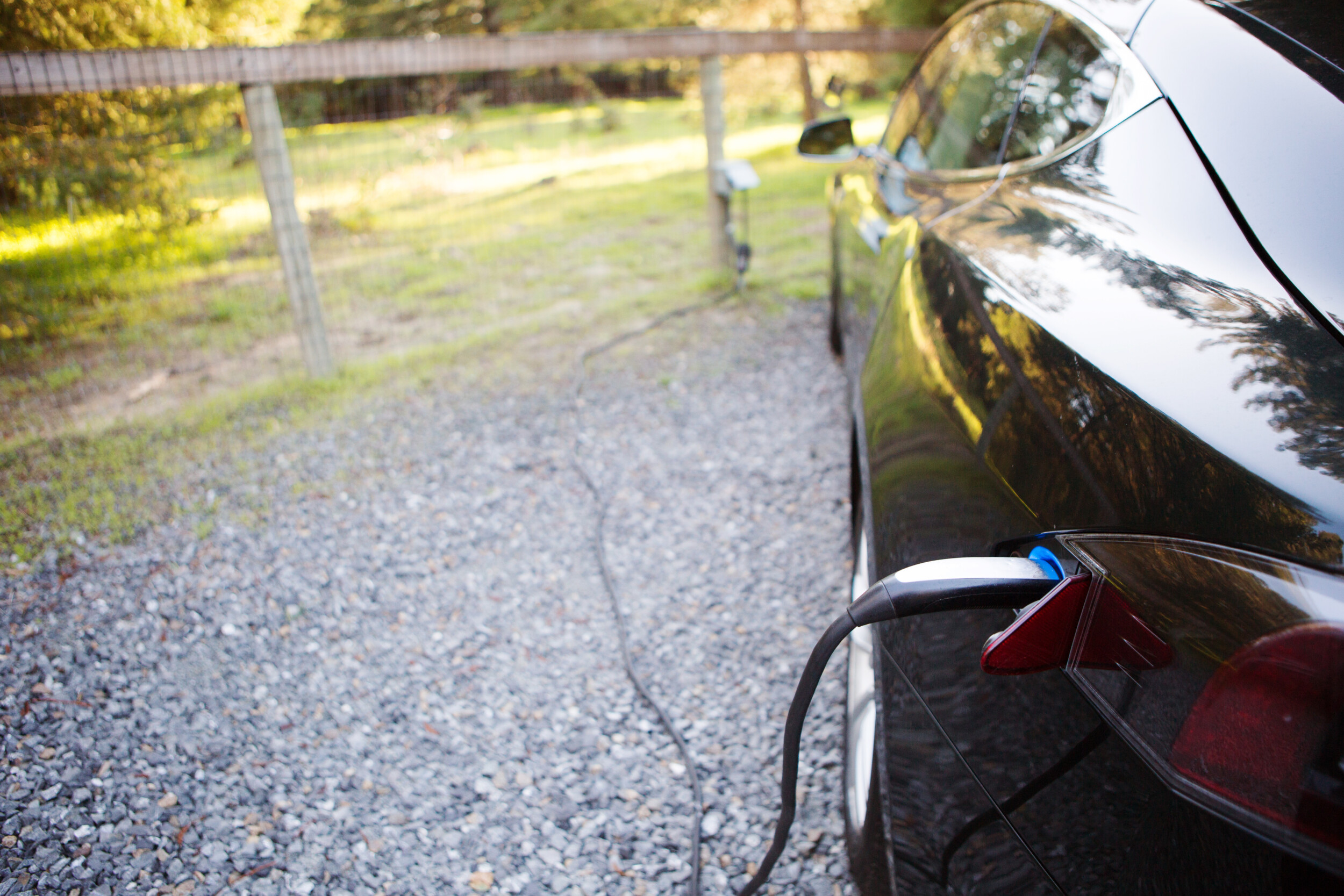
An Overview of Durham’s EV Charging Landscape
The city of Durham, UK, has been making notable strides in its commitment to sustainable transportation, with a significant focus on electric vehicles (EVs). With an increasing number of Durham residents and businesses opting for electric vehicles over traditional fuel-powered cars, the demand for EV charging stations is on the rise. In response, the city has made efforts to increase the availability of public charging ports, deploying them in key locations such as shopping centres, car parks, and travel hubs.
The existing EV charging landscape in Durham is a mix of rapid, fast, and slow charging points. These charging stations are operated by various networks, including ChargePlace Scotland, Charge Your Car, and Polar. The rapid chargers can charge an EV to 80% in around 30 minutes, the fast chargers take a few hours, and the slow chargers are generally used for overnight charging.
Despite these developments, as the shift towards electric mobility continues to gain momentum, it’s becoming clear that current charging infrastructure needs to be bolstered to keep up with increasing demand. The provision of an efficient, high-capacity EV charging network is essential to encourage further uptake of EVs and meet the city’s environmental targets.
Assessing the Current EV Charging Infrastructure in Durham
While Durham’s efforts to establish a robust EV charging network are commendable, there’s room for improvement. Currently, public charging locations are not evenly distributed across the city. This uneven distribution often results in congestion at charging points during peak hours, and in some instances, drivers have to detour from their routes to charge their vehicles.
Furthermore, many public charging locations in Durham still rely on slower charging technologies. Slow chargers, though cost-efficient, can take several hours to fully recharge an electric car’s battery. This can be inconvenient for drivers who need a quick top-up and can act as a deterrent for prospective EV owners.
Lastly, there’s a lack of real-time information available about the occupancy status of charging points, which often results in wasted trips when drivers find chargers already occupied. This level of uncertainty can be a barrier for some potential EV owners.
Identifying the Gaps in Durham’s EV Charging Facilities
Identifying the gaps in the current EV charging infrastructure is a crucial step towards improving the EV charging landscape in Durham. Some of the primary areas for improvement include expanding the charging network to underserved areas, upgrading existing charging stations to faster chargers, and improving real-time information availability.
Additionally, the majority of the current charging stations in Durham are standalone installations. There’s a need for more integrated charging solutions that are incorporated into existing infrastructure, such as streetlights or parking bays. This integration can help optimise space usage and reduce the visual impact of chargers in urban areas.
Another major gap lies in the lack of residential charging solutions. Many residents in Durham live in flats or do not have off-street parking facilities, making it difficult to charge their EVs at home. One potential solution to this problem is to implement on-street residential charging, as has been done in other leading EV cities such as Amsterdam and Oslo.
Case Studies of Efficient EV Charging Solutions Globally
Norway, the global leader in electric car adoption, offers several key insights from which Durham can draw inspiration. Their success is largely attributed to their robust charging infrastructure, which features a high density of high-speed charging points, including Tesla’s Superchargers, along main travel routes. Furthermore, they have successfully implemented on-street residential charging in urban areas.
The city of Shenzhen in China, home to the world’s largest electric bus fleet, also provides valuable lessons. Shenzhen has developed a wireless charging system which enables buses to be charged at bus stops in a matter of minutes. This type of solution could be explored in Durham for electric public transport.
Lastly, the city of Amsterdam stands out for its integration of charging stations into the urban landscape by retrofitting existing street lights with EV charging functionality. This innovative approach reduces the visual impact of charging stations whilst making efficient use of existing infrastructure.
Adapting Global EV Charging Solutions for Durham
Durham can adopt and adapt these global best practices to improve its local EV charging landscape. The city can start by expanding the charging network to cater for a wider geographical area, upgrading current charging facilities to offer faster charging times, and integrating charging points into existing infrastructure such as streetlights and parking bays.
Furthermore, leveraging technology to provide real-time information on the status of charging points can significantly improve the user experience. Apps that provide real-time occupancy status and navigation to the nearest available charging point could go a long way in alleviating charging point congestion and uncertainty.
On-street residential charging, similar to Amsterdam’s model, could be a viable solution for residents who lack off-street parking. The implementation of such a system might require collaboration with local councils and housing associations, but could greatly enhance charging access for numerous residents.
Technological Innovations in EV Charging Solutions
Technological innovations are transforming the EV charging landscape, offering potential solutions to some of the challenges faced by Durham. Among these innovations are V2G (Vehicle-to-Grid) systems, which allow EVs to return excess power to the grid during peak demand periods. This technology can help stabilise the grid and provide an additional revenue stream for EV owners.
Wireless charging technology, similar to that used in Shenzhen, presents another promising solution. Such systems can charge EVs in seconds or minutes, dramatically reducing charging times and potentially improving the feasibility of electric public transport.
Battery swapping stations, common in some Asian countries, could also be considered. This involves replacing a depleted battery with a fully charged one, a process that can be completed in minutes. However, this would require standardisation of batteries across different EV models.
Cost Analysis and Sustainability of EV Charging Stations in Durham
The cost of installing and operating EV charging stations can be high. However, with the falling costs of EV technology and increasing demand for charging facilities, the long-term economic viability of these stations is promising. Public-private partnerships and government incentives can also help offset these costs.
From a sustainability standpoint, EV charging stations should ideally be powered by renewable energy sources to maximise their environmental benefits. Solar-powered charging stations could be a viable option, especially for daytime charging at locations such as shopping centres and public car parks.
Furthermore, the use of smart chargers can help manage power demand and supply efficiently. These chargers can adjust their charge rate based on grid demands, helping to balance the load on the power grid, reduce energy costs and contribute to grid stability.
Future Perspectives for EV Charging Solutions in Durham
Looking forward, Durham has the potential to become a leader in EV charging solutions in the UK. By learning from global case studies and adopting innovative technologies, the city can create a robust and efficient EV charging network that caters to the needs of all residents.
By expanding and improving the EV charging infrastructure, the city will not only encourage the adoption of EVs but also contribute to its sustainability targets. Furthermore, a robust charging network can attract businesses and visitors, boosting the local economy while reducing the city’s carbon footprint.
The future of EV charging in Durham is exciting. With strategic planning, innovation, and investment, the city can create a sustainable and efficient EV charging network that serves the community while supporting the transition to a greener future.