
In the bustling cities and quaint towns of the Northeast, managing parking efficiently is crucial for maintaining the flow of daily life. As urban areas continue to develop and vehicle ownership edges upward, understanding the trends in Pay & Display parking systems becomes ever more important. This article explores the current patterns and shifts in parking technology and user preferences in the Northeast, providing insights into how these trends are shaping the future of urban mobility.
Analysing Current Trends in Pay & Display Parking
In recent years, the Northeast has witnessed a consistent implementation of Pay & Display systems across its urban and suburban areas. These systems, which typically involve a machine issuing a ticket to be displayed on a vehicle’s dashboard, have been favoured for their relative simplicity and ability to reduce the need for manned parking operations. Data indicates a gradual increase in both the adoption of newer Pay & Display technology and the expansion of parking zones covered by this system. This trend is driven by municipal efforts to maximise parking turnover and efficiently manage limited urban space.
However, the effectiveness of Pay & Display parking is often subject to the dynamics of local commerce and pedestrian traffic. In bustling city centres, where short-term parking is in high demand, the Pay & Display system supports quick visits and high turnover, crucial for local businesses. In contrast, areas with less foot traffic or significant residential populations often exhibit lower compliance rates and higher instances of parking violations, suggesting that a one-size-fits-all approach may not be optimal across different urban landscapes.
Moreover, the revenue generated from pay and-display parking has become a significant line item in many municipal budgets, influencing urban planning and transportation policies. The balancing act between generating adequate revenue and avoiding the disincentivisation of downtown visits due to high parking fees is a critical concern. This financial aspect encourages cities to continually reassess and recalibrate their Pay & Display configurations and pricing strategies to align with broader economic and mobility goals.
Shifts in Parking Technology & User Preferences
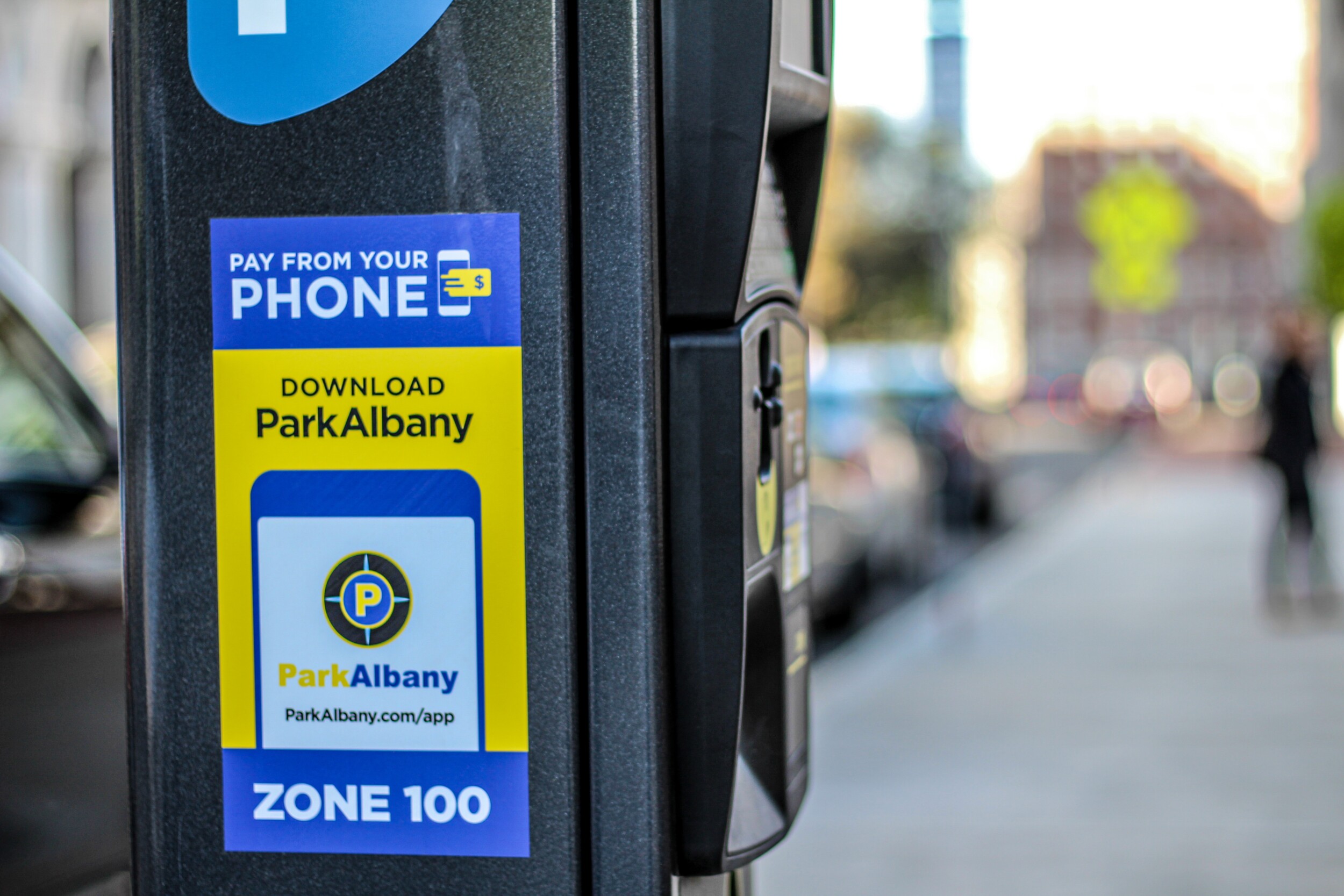
Technological advancements have significantly influenced the evolution of Pay & Display systems in the North East. The integration of digital payment options, including credit cards and mobile apps, is increasingly commonplace, reflecting broader consumer trends towards cashless transactions. This shift not only enhances user convenience but also streamlines the collection and management of parking revenues. Additionally, some localities are beginning to implement smart parking meters that can adjust rates based on demand, a practice known as dynamic pricing, which could optimise parking availability and usage.
User preferences in the North East are also shifting towards greater flexibility and convenience in parking. There is a growing expectation for real-time information about parking availability, which has spurred the development of apps and integrated systems that provide updates on open parking spots. Such technologies not only improve the user experience but also help reduce traffic congestion caused by drivers circling for parking. The environmental benefits, including reduced emissions and lessened fuel consumption, align with the increasing public and governmental interest in sustainable urban planning.
Furthermore, the adoption of environmentally friendly policies is prompting cities to reconsider their parking infrastructure. Initiatives like park-and-ride systems, increased bike parking, and incentives for electric vehicle parking are gaining traction. These trends indicate a shift towards a more integrated approach to urban mobility, where Pay & Display parking must coexist and synergise with other transportation options to cater to the diverse needs of modern urban dwellers.
The landscape of Pay & Display parking in the Northeast is undergoing significant transformations, driven by technological innovations, changing user demands, and a growing emphasis on sustainability. As these trends continue to evolve, they will play a crucial role in shaping the region’s approach to urban planning and mobility management. For stakeholders, from city planners to everyday commuters, staying informed and adaptable will be key to navigating the future of parking in urban areas. Understanding and responding to these trends is not just about managing parking—it’s about fostering thriving, accessible, and livable urban environments.